
Understanding the psychology behind your gambling decisions
The allure of risk-taking
The thrill of gambling often stems from the inherent excitement of risk-taking. Individuals are drawn to the possibility of winning big, which can create a sense of euphoria. This adrenaline rush acts as a powerful motivator, encouraging players to make decisions that may not align with their rational judgment. The anticipation of a win can overshadow the potential consequences, leading to impulsive behavior. For those interested in a wider view, information about canadian casino sites can provide valuable insights.

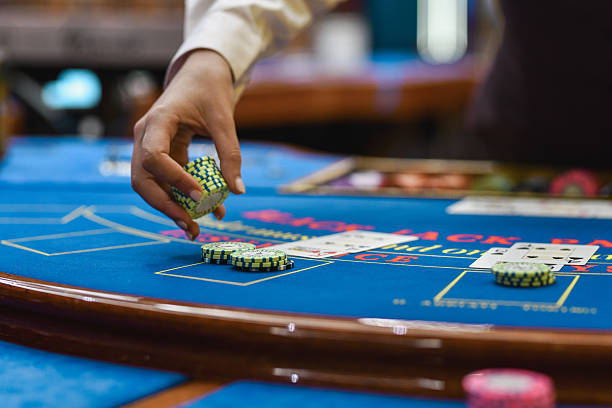
Furthermore, the environment of a casino is designed to amplify this allure. The flashing lights, engaging sounds, and social atmosphere create a sensory overload that enhances the emotional experience. Gamblers may find themselves losing track of time and money in such stimulating environments, which can blur the lines between entertainment and addiction.
Cognitive biases in gambling
Cognitive biases significantly influence gambling decisions. One common bias is the illusion of control, where players believe they can influence the outcome of a game through their skills or strategies. This misconception can lead to overconfidence, causing individuals to make larger bets than they normally would. As a result, they may not fully grasp the randomness of most gambling scenarios.
Another notable cognitive bias is the gambler’s fallacy, where individuals believe that past outcomes can predict future results. For example, a player might think that a particular number is “due” to win after several losses. These biases can cloud judgment and lead to irrational betting patterns, contributing to potentially harmful gambling behaviors.
Emotional influences on gambling decisions
Emotions play a crucial role in gambling behaviors. For many, gambling serves as an escape from everyday stressors or emotional turmoil. This emotional reliance can create a cycle where individuals gamble to alleviate negative feelings, only to experience guilt or regret afterward, which can lead to more gambling as a coping mechanism.
Additionally, the highs and lows of gambling can create an emotional rollercoaster. Winning can provide a temporary boost in mood, while losses can lead to frustration or despair. This emotional volatility can drive gamblers to chase losses, further entrenching them in a cycle of risky behavior that prioritizes short-term gratification over long-term stability.
The role of social factors
Social influences are also significant when it comes to gambling decisions. Peer pressure can lead individuals to participate in gambling activities, often feeling compelled to conform to group norms. This social context can amplify the excitement and perceived legitimacy of gambling as a form of entertainment.
Moreover, the presence of supportive or knowledgeable friends can affect a gambler’s strategy and confidence. Players may feel encouraged to take risks they wouldn’t normally consider if they are surrounded by peers who normalize high-stakes gambling. This social dynamic can lead to both positive and negative outcomes, depending on the group’s attitude toward risk.
Explore the vibrant culture of Toronto’s gambling scene
At Toronto’s Version, we offer a deep dive into the diverse and exciting gambling culture found in the city. Our platform connects visitors with local events, unique experiences, and attractions that showcase Toronto’s vibrant atmosphere, including its casinos and gaming hubs. Understanding the psychology behind gambling helps enrich the experience of both residents and tourists alike.
By exploring these psychological aspects, we aim to enhance your understanding of decision-making in gambling contexts. Toronto’s Version is here to guide you through the city’s cultural landscape, ensuring you have an unforgettable experience as you navigate the thrilling world of gambling and beyond.